
Hair Loss Treatment: What Actually Works vs What Wastes Money

Hair treatment for hair loss only works when it is matched to what is actually causing the shedding — and most of the products lining pharmacy shelves and dominating social ads were never tested against that standard. Some options, like topical minoxidil and oral finasteride, have real clinical trial data behind them. Many more, from “hair growth” shampoos to mystery herbal blends, have none at all. This guide separates the evidence-backed treatments from the marketing-only ones, shows what the actual research says about how long each option takes to work, and explains where a daily nutritional supplement realistically fits into the picture.
Before comparing individual products, it helps to be clear about what “working” even means for hair loss: not a two-week transformation, but a measurable slowing of shedding or increase in hair count after three to six months of consistent use. For the fuller picture of what actually drives hair growth beyond any single product, our guide on practical ways to increase hair growth covers the wider strategy this article’s product comparisons sit inside.
Want a daily hair treatment product that supports the follicle from within while you sort out the rest?
Primadar: one capsule, follicle support every dayHair Treatment for Hair Loss: The Quick, Honest Answer
The short answer is that there is no single best treatment for hair loss, because the label “hair loss” covers several different causes, and only a handful of products have been tested against any of them in a real clinical trial. Topical minoxidil and oral finasteride currently have the strongest published evidence for androgenetic (pattern) hair loss specifically. Most other hair treatment products on the market — thickening shampoos, herbal tonics, scalp massagers, gummy vitamins — have little to no controlled trial evidence behind their growth claims, even when their packaging implies otherwise.
The more useful question isn’t “which product is best” in the abstract, but “which mechanism matches my actual cause.” A DHT-driven receding hairline responds to a different intervention than diffuse shedding from an iron deficiency or a stressful year, and no amount of spending on the wrong category of product will fix a mismatch like that.
The Main Hair Loss Treatment Options, Explained
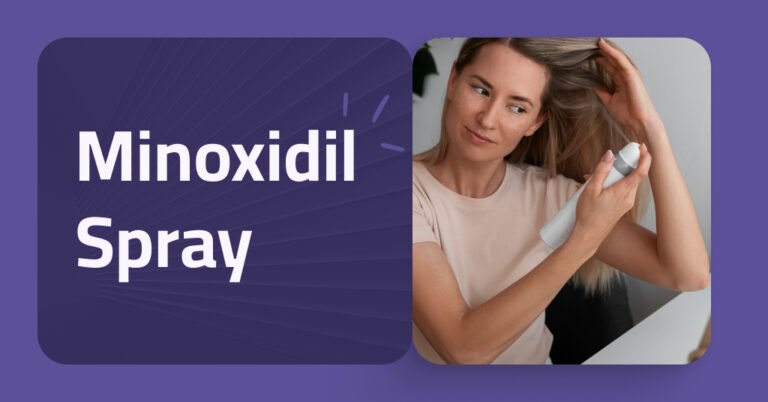
Topical minoxidil is the most widely available over-the-counter treatment for hair loss, sold as a liquid or foam applied directly to the scalp. It is approved for both men and women and works locally, without the hormonal mechanism finasteride relies on.
Oral finasteride is a prescription-only tablet approved for male pattern hair loss. It works systemically by inhibiting the enzyme that converts testosterone into dihydrotestosterone (DHT), the hormone most strongly linked to pattern baldness in genetically predisposed men.
In-office procedures, such as PRP (platelet-rich plasma) injections and low-level laser therapy, have a smaller but growing evidence base, are considerably more expensive, and generally require ongoing maintenance sessions rather than a one-time fix.
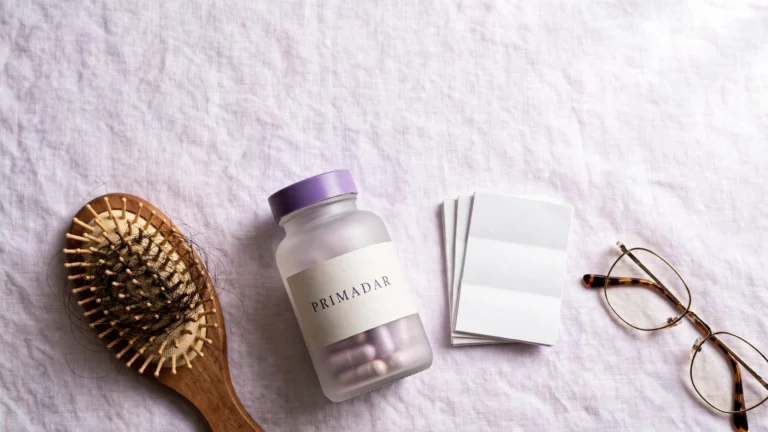
Nutritional supplements, including Primadar, work through a different route entirely: delivering nutrients such as biotin, B vitamins, L-cysteine and plant-derived actives like Miliacin through the bloodstream to support the follicle’s own hair-building process, rather than blocking a hormone or stimulating the scalp directly.
Cosmetic-only products — most “hair loss” shampoos, conditioners, and styling treatments — can improve how existing hair looks and feels but have essentially no evidence of affecting the follicle itself or slowing shedding at the root.

Which Hair Treatment Hair Loss Sufferers Actually Need
Which hair treatment hair loss sufferers actually need depends far less on the product and far more on the cause. Pattern hair loss responds to DHT-related approaches; shedding driven by low iron, a recent illness or a crash diet often settles once the underlying trigger is corrected. Buying a treatment before you know which of those you are dealing with is the single most expensive mistake in this whole category, which is why the evidence section below comes before the shopping list.
What the Evidence Actually Shows About Minoxidil and Finasteride
A comprehensive peer-reviewed review of topical minoxidil, published in Drug Design, Development and Therapy, confirms it remains the mainstay over-the-counter treatment for androgenetic alopecia, working by prolonging the hair follicle’s growth (anagen) phase — though the review also notes its exact mechanism is still not fully understood, and that results depend entirely on continued daily use; see the full review on PubMed. For a look at what realistic minoxidil timelines and results actually look like rather than marketing photos, our guide to real minoxidil before-and-after timelines walks through it month by month.
Finasteride’s evidence is documented in detail in the NCBI Bookshelf’s clinical reference entry on the drug, which explains its mechanism as a competitive inhibitor of 5-alpha reductase, blocking the conversion of testosterone to DHT — read the full clinical reference on the NCBI Bookshelf. That same reference notes that patients treated for androgenic alopecia typically see a reversal of hair count within about 12 months, and that finasteride is contraindicated for women who are or may become pregnant, alongside a known minority risk of sexual side effects that any prospective user should discuss with a doctor first. For more on the DHT mechanism finasteride targets, see our explainer on how DHT drives hair thinning.
The honest takeaway from both bodies of evidence is the same: real results, where they exist, take months, not days, and both drugs only work for as long as they’re used consistently.
Hair Treatment Products: What’s Worth Buying vs What Wastes Money
Not every hair treatment product deserves a place in your routine, and the honest test is simple: does independent, peer-reviewed research support this specific product’s claim, or does the claim rest entirely on testimonials and before-and-after photos with no disclosed methodology? A search for hair treatment hair loss solutions online turns up dozens of competing products, most making claims no controlled study has ever actually tested.
Worth considering: topical minoxidil (strong OTC evidence), prescription finasteride for men (strong evidence, needs a doctor’s guidance), and a daily nutritional supplement that supports the follicle systemically rather than only cosmetically. Usually a waste of money on their own: “hair growth” shampoos and conditioners marketed on scalp stimulation alone, unregulated herbal capsules with no disclosed clinical testing, and single-ingredient trend products riding a social-media moment rather than a body of research.
| Treatment | Best evidence for | Typical timeline | Main limitation |
|---|---|---|---|
| Topical minoxidil | Androgenetic alopecia, both sexes | 3–6 months, ongoing | Results reverse if stopped |
| Oral finasteride | Male pattern hair loss | ~12 months for count reversal | Men only; sexual side effects in a minority |
| PRP / laser therapy | Adjunct for pattern loss | Multiple sessions, months | Cost and maintenance-heavy |
| Daily supplement (Primadar) | Nutritional/follicle-support gaps | 3+ months, daily use | Not a substitute for hormonal-cause treatment |
| Cosmetic-only shampoos | Look and feel of existing hair | Immediate, superficial | No evidence of follicle-level effect |
Hair Loss Treatments Side-by-Side
None of these categories is inherently the “right” answer for everyone — the right treatment for hair loss depends on whether the cause is hormonal, nutritional, or something else entirely, and often the most effective plan combines more than one category rather than betting on a single product. Readers comparing a natural, nutrition-first option against a topical drug specifically may also find our dedicated Primadar vs minoxidil comparison useful for weighing the two side-by-side in more depth.
Common Mistakes That Waste Money on Hair Treatment
The first mistake is judging any treatment for hair loss after two or three weeks. Every serious study cited above measured results at three, six, or twelve months, because a hair follicle’s growth cycle does not move on a marketing timeline, and abandoning a legitimate treatment after three weeks tells you nothing except that hair biology is slow.
The second is stacking multiple unrelated products at once — a shampoo, a serum, a supplement, and a scalp device, all started the same week — which makes it impossible to know what, if anything, is actually helping, and often means quitting all of it in frustration rather than isolating the one thing worth keeping.
The third is skipping a cause check entirely. Hair loss driven by thyroid dysfunction, iron deficiency, postpartum hormone shifts, or acute stress will not meaningfully respond to minoxidil, finasteride, or any hair treatment products built for pattern baldness specifically, because none of those target the actual mechanism at play. A basic checkup and bloodwork before spending on any hair treatment is one of the highest-value steps most people skip.
The fourth is assuming price signals effectiveness. Some of the most expensive hair treatment products on the market have no more trial evidence behind them than a ten-dollar bottle of the same active ingredient — the packaging and marketing budget, not the underlying science, usually explain the price gap.
Why Primadar Is a Smart Addition to Any Hair Loss Treatment Plan
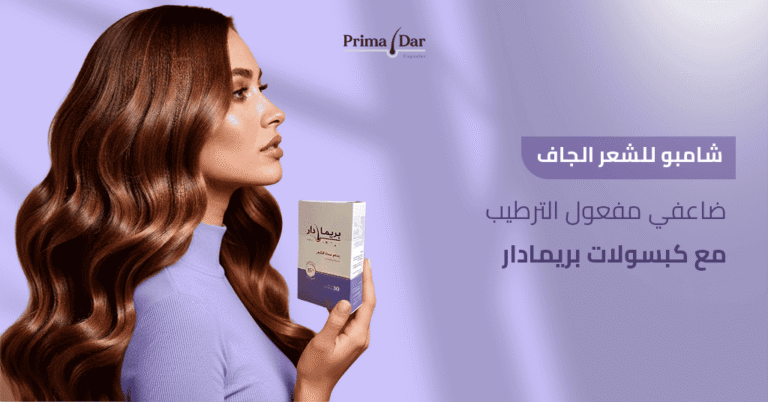
Whichever treatment category actually matches your cause, most routines are still missing the nutritional side of the equation: hair is built from protein, iron, biotin and other micronutrients delivered through the bloodstream to the follicle, not from anything applied to the scalp’s surface. Primadar is formulated to close that specific gap, combining Miliacin — a triterpenoid extracted from millet seed — with biotin, vitamin B5 and L-cysteine in a single daily capsule. The millet-derived active in Primadar’s formula is explained in more depth in our guide to the millet-extract (Miliacin) science, and a related millet complex is the subject of a registered 24-week clinical trial on ClinicalTrials.gov evaluating hair density, strength and shedding.
Primadar is not positioned as a replacement for minoxidil or finasteride where a hormonal cause has been confirmed — it is positioned as the daily nutritional layer most treatment plans are missing, whether used alone for non-hormonal shedding or alongside a topical or prescription treatment a doctor has already recommended.

The right hair treatment isn’t the one with the biggest marketing budget — it’s the one that actually matches why your hair is falling out.
A Simple Decision Checklist Before You Spend Money
Before buying another hair treatment product, answer these honestly:
One: Have you had bloodwork or a basic checkup to rule out thyroid, iron, or hormonal causes, or are you guessing at the cause?
Two: Does the product you’re considering have any published clinical trial evidence, or only testimonials and social-media reviews?
Three: Are you prepared to commit to at least three to six months of consistent use before judging the result?
Four: If considering finasteride, have you discussed it with a doctor, particularly given it is not suitable for women who are or may become pregnant?
Five: Are you covering the nutritional side of hair health — protein, iron, biotin — through diet or a daily supplement, or only treating the surface?
So, What’s the Right Hair Treatment for Hair Loss? Combine, Don’t Guess
The evidence points to a combination approach: minoxidil or finasteride where a hormonal cause is confirmed and a doctor agrees it’s appropriate, a genuine cause check before spending on anything, and a daily nutritional supplement to cover the follicle-nutrition gap most routines miss entirely. Primadar’s blend of Miliacin, biotin, vitamin B5 and L-cysteine is built for that daily nutritional layer, in one capsule, alongside whichever evidence-backed treatment actually fits your situation.
Frequently Asked Questions
What is the best treatment for hair loss?
There is no single best treatment for hair loss, because the label “hair loss” covers several different causes, and only a handful of products have been tested against any of them in a real clinical trial. Topical minoxidil and oral finasteride currently have the strongest published evidence for androgenetic (pattern) hair loss specifically. Most other hair treatment products on the market — thickening shampoos, herbal tonics, scalp massagers, gummy vitamins — have little to no controlled trial evidence behind their growth claims, even when their packaging implies otherwise.
Do minoxidil and finasteride actually work for hair loss?
Both have real, published clinical evidence for androgenetic alopecia, though neither is a cure. Topical minoxidil is the most-studied over-the-counter option and works by extending the hair’s growth phase, but results plateau and reverse within months of stopping.
Finasteride works differently, blocking the conversion of testosterone into DHT, and clinical data shows a reversal of hair count within about 12 months of consistent use in men, but it is not approved for use in women who are or may become pregnant and carries known sexual side effects in a minority of users. Both need consistent daily use for at least three to six months before any real judgment can be made, and neither addresses hair loss caused by nutrition, thyroid issues, or other non-hormonal factors.
How long does hair treatment take to show results?
Every legitimate hair loss treatment, whether topical, oral, or nutritional, needs a minimum of three months before any real change is visible, and most studies measure results at six months or later, because a hair follicle’s growth cycle simply does not move faster than that. Products or routines promising visible results in one or two weeks are not describing how hair biology actually works. Consistency across the full window matters more than which single product is used.
Can I use a hair-loss supplement alongside minoxidil or finasteride?
In most cases yes, since a nutritional supplement and a topical or oral drug work through different mechanisms and are not known to conflict. Primadar, for example, supports the follicle through Miliacin, biotin, vitamin B5 and L-cysteine delivered through the bloodstream, while minoxidil acts locally at the scalp and finasteride works hormonally. That said, anyone currently using a prescription treatment, pregnant, breastfeeding, or managing a chronic condition should confirm with a doctor or pharmacist before adding anything new to their routine.
Is Primadar a good treatment for hair loss?
Primadar is designed as a nutrition-first treatment for hair loss driven by nutritional or general follicle-health gaps, and as a daily companion to topical or hormonal treatments rather than a replacement for either. Its formula combines Miliacin, a triterpenoid extracted from millet, with biotin, vitamin B5 and L-cysteine, aimed at supporting the follicle from within. It is not marketed as a substitute for minoxidil or finasteride in hormonally driven pattern hair loss, and like any hair treatment, it needs consistent use over months, not days, to show results.