Hair Treatment in Egypt: Clinics, Products & At-Home Options Compared

Hair treatment Egypt searches usually come from one of two people: someone comparing dermatology clinics before booking a consultation, or someone standing in a pharmacy aisle trying to decide which box actually does anything. Cairo and Alexandria alone have dozens of hair and skin clinics offering everything from PRP injections to laser therapy, dozens more pharmacy-shelf products promising the same result in a bottle, and a fast-growing market for daily oral supplements that skip the clinic and the topical routine altogether. This guide walks through all three categories honestly: what a clinic visit typically involves and costs, which pharmacy products have real evidence behind them, and where a daily supplement realistically fits into a routine.
Before comparing specific options, it helps to understand the wider picture first: healthy hair growth usually depends on more than any single clinic visit or product, which is exactly what this comparison is built to show.
Want to start with the lowest-cost, at-home option while you decide whether a clinic visit makes sense?
Primadar: daily follicle support, no appointment neededHair Treatment Egypt: The Quick, Honest Answer
The honest answer is that hair treatment Egypt covers three genuinely different categories, and the right one depends on budget, how much time can realistically be committed, and what’s actually causing the shedding in the first place. Clinic-based procedures such as PRP and laser therapy tend to work fastest for confirmed pattern hair loss but come with real cost, since sessions in Cairo and Alexandria typically run into the thousands of Egyptian pounds and need repeating over months.
Pharmacy products such as topical minoxidil are far cheaper and available without a prescription, but they only ever address hair loss at the scalp’s surface. Daily oral supplements sit at the lowest cost and lowest commitment tier, working through nutrition rather than a drug or procedure, which makes them a realistic starting point for anyone not yet sure which category their hair loss actually needs.
None of the three categories is automatically “better” than the others in the abstract. A confirmed case of advanced androgenetic alopecia responds differently to treatment than diffuse shedding after a stressful year or a nutritional gap, and the sections below walk through each category so the choice can be matched to the actual cause rather than to whichever clinic or product has the loudest advertising.
Why Hair Treatment Looks Different in Egypt
Egypt’s climate and water hardness play a bigger role in day-to-day hair condition than most people realize. Long, hot summers, high sun exposure, and mineral-heavy tap water in several governorates can leave hair drier and more prone to breakage regardless of which treatment is eventually chosen, which is why some people blame a product for “not working” when the real culprit is water and heat exposure that no shampoo or supplement fully offsets on its own. Genetics still does most of the heavy lifting in pattern hair loss specifically, and no clinic session, pharmacy product, or supplement changes an underlying genetic predisposition to androgenetic hair loss, though several of them can meaningfully support the follicle around it.
Hair Treatment Cairo: What’s Different About the Local Market
Searches for hair treatment Cairo specifically tend to skew toward clinic procedures, since the city has the country’s highest concentration of dermatology and cosmetic clinics, alongside a wide range of pricing and quality between them. Outside Cairo and Alexandria, options are more limited, which pushes more people in other governorates toward pharmacy products and at-home supplements by default rather than by preference, simply because a specialist clinic visit may mean travel.
Clinic-Based Hair Treatment Options in Egypt
Hair Treatment Clinic Options: What They Actually Offer
A typical hair treatment clinic in Egypt offers some combination of PRP (platelet-rich plasma) injections, mesotherapy, low-level laser therapy, and for more advanced cases, FUE hair transplant procedures.
PRP and mesotherapy both involve injecting the scalp with a solution intended to stimulate follicle activity, usually across a course of four to six sessions spaced several weeks apart, with maintenance sessions recommended afterward to hold the result. Laser therapy is non-invasive and typically offered as in-clinic sessions or a take-home device, though the strength of evidence behind at-home laser devices is weaker than for in-clinic PRP in confirmed pattern hair loss. For anyone trying to understand what actually drives the hair thinning a clinic is proposing to treat, our explainer on how DHT drives hair thinning covers the hormonal mechanism behind the most common form of pattern hair loss.
How to Find a Hair Treatment Clinic Near Me: What to Check First
Anyone searching “hair treatment clinic near me” in Egypt should check three things before booking a first consultation: whether the clinic is run by a licensed dermatologist rather than a general aesthetics practitioner, whether they offer a written treatment plan with an itemized cost before any procedure begins, and whether their before-and-after photos come with a stated timeframe rather than an unexplained “results” claim. A clinic that pushes a full multi-session package on the first visit, before any bloodwork or scalp examination, is a reasonable reason to seek a second opinion.
Pharmacy and At-Home Hair Treatment Products
Topical minoxidil is the most widely available over-the-counter hair treatment product in Egyptian pharmacies, sold as a liquid or foam applied directly to the scalp, and it remains the most studied non-prescription option for androgenetic hair loss in both men and women. Medicated anti-hair-loss shampoos are also common on Egyptian pharmacy shelves, though most have far less independent trial evidence behind their growth claims than minoxidil does, and largely improve how existing hair looks and feels rather than affecting the follicle itself. For a realistic look at what minoxidil timelines and results actually look like month by month, rather than marketing photos, our guide to real minoxidil before-and-after timelines walks through it in detail.
The Daily Supplement Route: Where Primadar Fits In
Whichever category of hair treatment eventually gets chosen, most routines are still missing the nutritional side of the picture: hair is built from protein, iron, biotin and other micronutrients delivered through the bloodstream to the follicle, not from anything applied to the scalp’s surface or injected during a clinic session. Primadar is formulated to close that specific gap, combining Miliacin, a triterpenoid extracted from millet seed, with biotin, vitamin B5 and L-cysteine in a single daily capsule. The millet-derived active in Primadar’s formula is explained in more depth in our guide to the Miliacin and millet science, and a related millet complex is the subject of a registered 24-week clinical trial on ClinicalTrials.gov evaluating hair density, strength and shedding.
Primadar is not positioned as a replacement for a clinic procedure or a prescription treatment where a confirmed medical or hormonal cause exists; it is positioned as the daily nutritional layer most hair treatment routines in Egypt are missing entirely, whether used alone for non-hormonal shedding or alongside whichever clinic or topical treatment a dermatologist has already recommended.
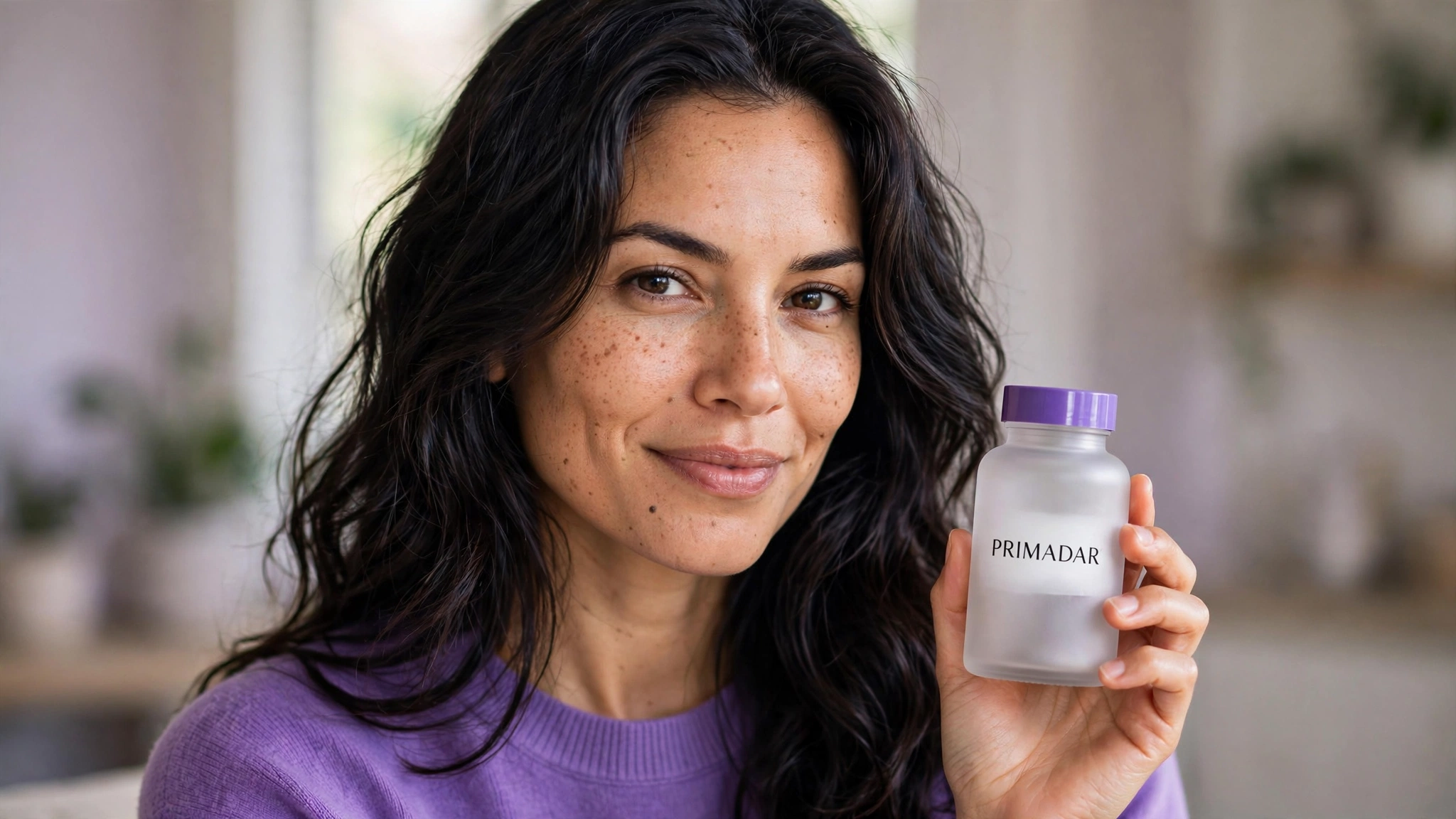
The right hair treatment in Egypt isn’t the one with the biggest clinic sign or the loudest pharmacy display, it’s the one that actually matches why the hair is falling out, and what someone can realistically afford to keep doing for months, not weeks.
Hair Treatment Egypt Options Compared: Clinic vs Topical vs Oral
Laid out side by side, the trade-offs between the three categories become clearer. Readers specifically weighing a natural, nutrition-first option against a topical drug may also find the dedicated Primadar vs minoxidil comparison useful for going deeper on that specific choice.
| Category | Typical cost in Egypt | Time commitment | Best for | Main limitation |
|---|---|---|---|---|
| Clinic procedures (PRP, laser, FUE) | High — thousands of EGP per course | Multiple sessions over several months, plus maintenance | Confirmed pattern hair loss wanting faster, dermatologist-led results | Cost and ongoing maintenance sessions |
| Pharmacy products (topical minoxidil) | Low to moderate, available over the counter | Daily application, 3–6+ months | Androgenetic hair loss, both sexes | Local effect only; reverses if stopped |
| Daily oral supplement (Primadar) | Low | Daily capsule, 3+ months | Nutritional or general follicle-support gaps; easiest to start | Not a substitute for confirmed hormonal or medical causes |
Common Mistakes People Make Choosing Hair Treatment in Egypt
The first mistake is booking an expensive clinic package before confirming the actual cause of hair loss with a dermatologist and basic bloodwork. Hair loss driven by thyroid dysfunction, iron deficiency, postpartum hormone shifts, or acute stress will not meaningfully respond to a treatment built for androgenetic pattern loss, no matter how advanced the procedure, because it isn’t targeting the actual mechanism at play.
The second is choosing a clinic or salon based on price alone, without confirming a licensed dermatologist is involved, which is a genuine risk in a market with a wide range of providers offering similar-sounding “hair treatment” packages at very different quality levels.
The third is judging any option, clinic or otherwise, after two or three weeks. Every serious study on minoxidil, PRP, or nutritional interventions measures results at three, six, or twelve months, because a hair follicle’s growth cycle simply does not move on a marketing timeline.
The fourth is blaming a product or clinic for dry, brittle-feeling hair that is actually a water-hardness and heat-exposure issue rather than a treatment failure, which is a more common mix-up in Egypt’s climate than in cooler, softer-water markets.
A Decision Checklist Before You Book or Buy
Before spending money on any hair treatment in Egypt, answer these honestly:
- Have you seen a dermatologist or had bloodwork done to confirm the actual cause, or are you guessing?
- If considering a clinic, is it run by a licensed dermatologist with a written, itemized treatment plan?
- Are you prepared to commit to at least three to six months before judging any result?
- Are you factoring in Egypt’s heat and water hardness as a separate issue from whichever treatment you choose?
- Are you covering the nutritional side of hair health — protein, iron, biotin — through diet or a daily supplement, or only treating the surface or the follicle directly?
So, What’s the Right Hair Treatment in Egypt for You?
The evidence points to matching the category to the cause rather than picking whichever option is most heavily advertised: a licensed dermatologist and clinic procedure where a confirmed, advanced case justifies the cost, topical minoxidil where the evidence fits and the budget favors a pharmacy product, and a daily nutritional supplement to cover the follicle-nutrition gap almost every routine in Egypt is still missing. Primadar’s blend of Miliacin, biotin, vitamin B5 and L-cysteine is built for that daily nutritional layer, in one capsule, alongside whichever clinic or topical treatment actually fits the underlying cause.
Frequently Asked Questions
What is the best hair treatment in Egypt?
There is no single best hair treatment in Egypt, because the right option depends on what is actually causing the hair loss, how much budget is available, and how much time someone can commit. Clinic-based procedures such as PRP or laser therapy tend to work fastest for confirmed pattern hair loss but cost the most and need repeat sessions. Pharmacy products such as topical minoxidil are cheaper and available without a prescription, but only address the scalp’s surface. Daily oral supplements sit at the lowest cost and commitment tier and work through nutrition rather than a drug or procedure, which makes them a realistic starting point for anyone still unsure which category their hair loss needs.
How much does a hair treatment clinic cost in Egypt?
Pricing varies widely between clinics in Cairo, Alexandria and other governorates, and typically depends on the specific procedure, the number of sessions recommended, and the clinic’s own positioning. PRP and mesotherapy sessions are usually priced per session and need to be repeated over several months, while hair transplant procedures are priced per graft and represent a much larger one-time cost. Anyone comparing clinics should ask for a written breakdown of the total expected cost across a full treatment course, not just the price of a single first session, since that is where many people underestimate what a full course actually costs.
Can I do hair treatment at home instead of visiting a clinic in Egypt?
For many causes of hair thinning, yes. Topical minoxidil, available over the counter at most Egyptian pharmacies, and a daily nutritional supplement can both be used entirely at home and have real evidence behind their respective mechanisms. At-home options will not replace a clinic procedure for someone who has already been diagnosed with advanced pattern baldness and wants a faster, more dramatic result, but for general shedding, nutritional gaps, or early-stage thinning, starting at home with a dermatologist consultation first is a reasonable and considerably cheaper first step.
Is Primadar available in Egypt, and where can I buy it?
Yes, Primadar is an Egyptian product made by Excellence Pharma and is available directly through the official Primadar online store, with orders also confirmable over WhatsApp. It combines Miliacin, a triterpenoid extracted from millet seed, with biotin, vitamin B5 and L-cysteine in a single daily capsule, designed to support the hair follicle nutritionally as a companion to whichever clinic or topical treatment, if any, a doctor has recommended.
How long does hair treatment take to show results in Egypt’s climate?
Egypt’s heat and hard tap water do not change the underlying biology of hair growth, so the same evidence-based timelines apply here as anywhere else: a minimum of three months before any real change is visible, and most clinical studies measure results at six months or later. What the climate does affect is day-to-day hair condition, since heat and mineral-heavy water can leave hair drier and more prone to breakage, which is worth managing separately from whichever hair loss treatment is chosen, rather than mistaking dryness for a treatment failure.
Should I see a dermatologist before starting any hair treatment in Egypt?
It is strongly recommended, particularly before booking any clinic procedure or starting a prescription treatment. A dermatologist can confirm whether hair loss is hormonal, nutritional, stress-related, or caused by an underlying medical condition, which determines which category of hair treatment is actually likely to help. Skipping this step is one of the most common and most expensive mistakes people make when choosing hair treatment in Egypt, since it means spending on a category of treatment that may not match the real cause at all.